


6 Signs a Restaurant Has a Strong Concept
- Salted Chair Hospitality

- Apr 23
- 5 min read
Updated: May 7
You know the feeling when you walk into a restaurant, and everything just makes sense. The design, the menu, the music, the vibe; it all clicks.
And then there are the places where you walk in and think: Wait… what exactly is this place supposed to be?
That difference usually comes down to one thing: the concept. A strong restaurant concept is what turns a place from “just another restaurant” into a destination guests actually remember. It gives the space direction, personality, and a reason for people to come back.
Here are six signs a restaurant has truly figured it out.
CLEAR IDENTITY
Imagine walking into a space that looks like a rustic Italian trattoria, but the menu includes burgers and sushi. Confusing, right?
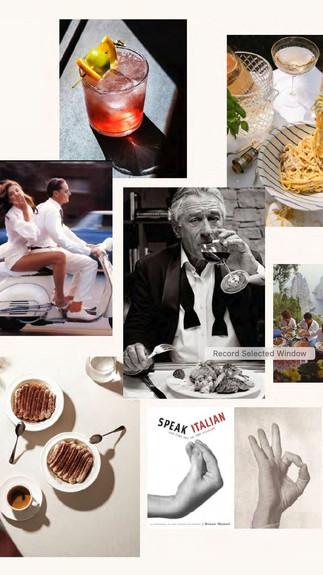
When a concept is strong, guests immediately understand what the restaurant is about. Whether it’s a modern seafood bar or a casual street-food spot, the identity should feel obvious.
That clarity shouldn't start at the door. Guests should form their first impression long before they visit, whether it’s through the visual assets: the Instagram profile, or any online photo of the venue. By the time they arrive, the experience should simply confirm what they have already sensed.
A strong concept carries through everything: the space, the menu, the service style, the tableware, even the tiniest details. Guests shouldn’t have to figure out the concept. They should feel it.


CONSISTENCY
A strong concept means nothing if the experience isn't the same every time.
Guests should be able to walk in on a Tuesday or a Saturday, visit for the first time or the fifth, and feel the same quality, the same care, the same standard. That consistency is what builds trust. And trust is what turns first-time visitors into regulars.
It applies to the food, too. A dish that wows on one visit but disappoints on the next creates doubt. Guests start to wonder which version of the restaurant they'll get. Strong concepts remove that uncertainty by maintaining the same standard across every service, every plate, every interaction.
That includes the team. In restaurants with a strong concept, you tend to see the same faces. Staff who know the menu, who understand the spirit of the place, and become part of the experience. Constant turnover quietly signals that something isn't working, and guests pick up on that more than we think.
Consistency also extends beyond the restaurant itself. The online presence, whether that's the website or social media, should reflect the real experience. When what guests see online matches what they find in person, the concept feels credible. When it doesn't, the disconnect is hard to recover from.
In hospitality, showing up the same way every time is one of the hardest things to get right. But it's also one of the most important.


A MENU THAT SUPPORTS THE CONCEPT
(I) A menu should feel like a natural extension of the restaurant's concept, not an attempt to please everyone at once.
When a restaurant tries to serve pizza, tacos, steak, and poke bowls all at once, it usually signals uncertainty. Restaurants often fall into the trap of trying to offer something for everyone, creating long "all-inclusive" menus that dilute the identity of the place. Strong restaurants make focused choices. They build a menu that supports the story behind the space, whether that's a specific cuisine, a particular style of cooking, or a single guiding philosophy. In hospitality, clarity almost always beats variety. .


MENU & DESIGN AS PART OF THE EXPERIENCE
(II) But it's not only about what's on the menu. The act of reading a menu is itself part of the experience. Before a single dish arrives, guests are already forming an impression.
A physical menu that guests can hold, feel, and take their time with creates a very different moment than scanning a QR code on a phone. Each one serves a different purpose. The decision should be a deliberate one that aligns with the concept. A fine dining restaurant that hands guests a beautifully bound menu is setting a tone. A fast casual concept using a QR code is signalling pace and informality. Both are communicating something.
Design and layout have impact. For example boxing a signature dish, choosing a specific typeface, organising sections with intention, these decisions quietly reinforce the concept before the food even speaks for itself.
When every element of a menu is intentional, it doesn't just inform guests. It sets the tone for everything that follows.


ATMOSPHERE
Does the space feel intentional, or does it feel like any other restaurant?
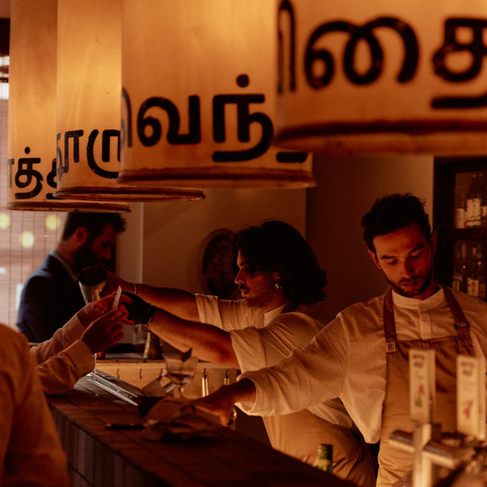
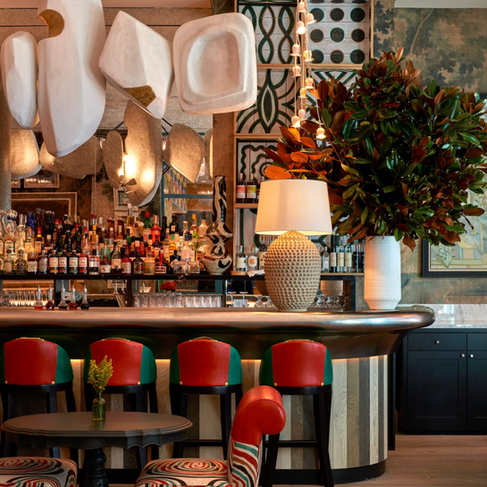
Atmosphere is one of the most powerful parts of a concept. Lighting, music, layout, materials, and energy shape how guests experience the space. When these elements all work together, they create a mood that feels purposeful rather than accidental, one that guests step into rather than just pass through.
And sometimes, atmosphere becomes the primary reason people return. There are restaurants where the food is perfectly average, yet guests keep coming back because the space simply feels great to be in. The buzz or the romance, the light or the the energy - the atmosphere can be just as powerful as anything on the menu.
A strong concept creates an atmosphere that stays with guests long after they've left the table. And that feeling, more than any single dish or detail, is often what brings them back.


STORY
Behind every memorable restaurant, there's a captivating narrative.
Sometimes it's inspired by a chef's upbringing, a culture, a city, or a deep passion for specific ingredients. Other times it comes down to four clear elements: origin, values, purpose, and promise. Maybe the concept is built around farm-to-table sourcing, organic tomatoes and local Cypriot village potatoes. Maybe the chef is recreating their grandmother's recipes to keep a memory alive. Maybe it's the meeting point of two cultural influences, Italian and French, personal and shared. Whatever the source, that story becomes the foundation of the concept and quietly guides every decision, from the design choices to the dishes on the menu to the way the brand speaks online.
The story doesn't have to be complicated. It just has to feel authentic. Guests may not always know the full narrative behind a restaurant, but they can usually feel when one exists. And that authenticity is often what makes an experience stand out from the rest.
But a story only works if everyone tells it. Not just through the menu or the interior, but through the people. When the owner understands the vision, the chef cooks with intention, and the server can speak genuinely about the food and the place, the narrative comes alive at every table. A concept that lives only on paper will always fall flat. The ones that stick are the ones where every person in the room, front of house and back, believes in what they're part of.



GUEST EXPERIENCE
At the end of the day, the ultimate test of a restaurant concept is simple: what do guests remember when they leave?



Comments